
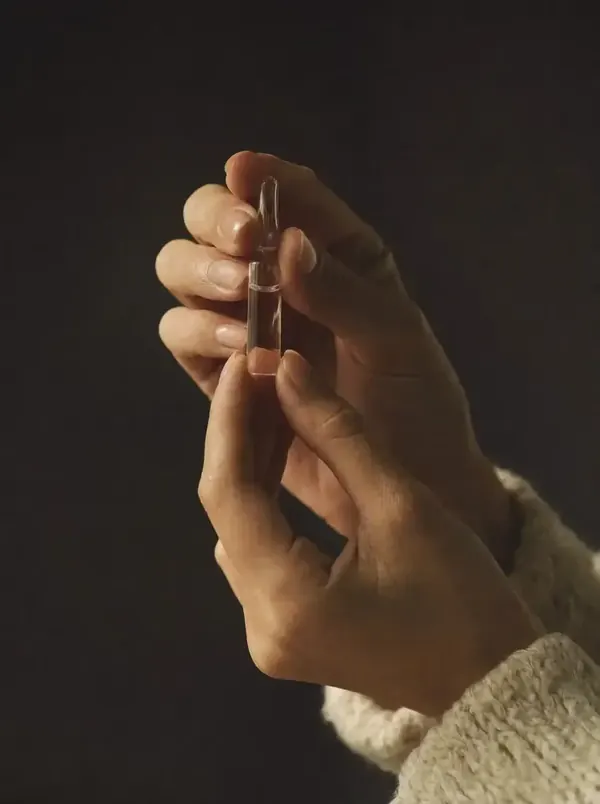
Injectables are everywhere in Alexandria now: salons, home visits, “doctors” who are not, and genuine specialists. The product in the syringe is often the same. The hands are not. Ask these seven questions before anyone touches your face.
1. Who are you, exactly?
A medical degree and a registration number you can check. In Egypt, injectables belong with a physician, ideally a plastic surgeon or dermatologist. A nurse, cosmetologist or beautician injecting alone is a red flag however pretty their Instagram is.
2. Which product, and can I see the box?
Original Botox, Dysport, Xeomin; Juvéderm, Restylane, Teosyal, Sfera, Radiesse. The box should be sealed, in date, and opened in front of you. “A Korean one, very good” is not an answer.
3. What do you do if a vessel is blocked?
Every injector should have hyaluronidase in the room and know the protocol by heart. If they look puzzled, leave.
4. Will you see me at two weeks?
Results are judged at two weeks, not on the day. A free check should be part of the plan.
5. What will you refuse to do?
A good injector says no: no fourth syringe in the lips, no filler for puffiness, no Botox while pregnant, no treatment under 18. If everything you ask for is “yes, we can”, be careful.
6. Can I see before-and-after photos of your own patients, with the same lighting?
Different light, different angle, different make-up is how bad results are hidden.
7. Is it clean?
Gloves, fresh needles opened in front of you, skin cleaned with antiseptic, a proper clinic not a kitchen table.
At Injection Studio Dr. Sara El Hamawy is a plastic surgeon with more than twelve years of injectables; the box is opened in front of you, hyaluronidase is always in the room, every patient has a two-week check, and we say no more often than you would expect.
Quick answers
Is cheaper filler a bad sign?
Very low prices usually mean a non-original product, a diluted one, or an unqualified injector. Original products have a cost that does not change much between clinics.
Does a plastic surgeon inject better than a dermatologist?
Both can be excellent. What matters is deep anatomy knowledge, daily injecting practice, and the honesty to say no.
Can I bring my own product?
No reputable clinic injects a product it did not source itself; the cold chain and authenticity cannot be verified.
This guide is general information, not medical advice; your treatment is decided at your consultation with Dr. Sara El Hamawy.